
Impact
Climate Aligned Investment
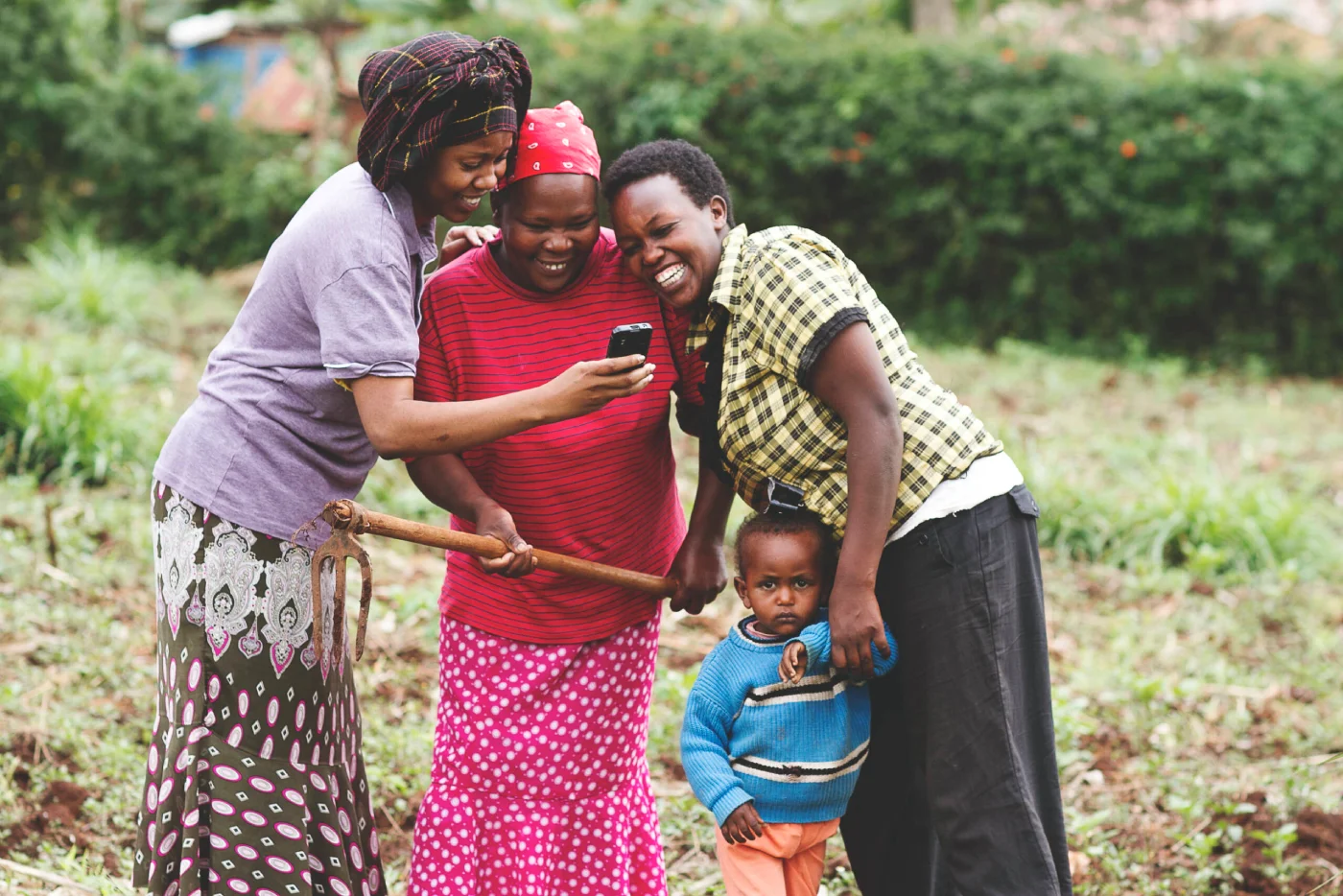
Climate-aligned investment in East African biomass infrastructure.
A multi-stream emission reduction platform, designed for blended finance.
Alkebulan Greens Energy is building an industrial biomass platform across eight facilities in Kenya and Tanzania. The platform delivers verifiable emission reductions under Gold Standard for the Global Goals, alongside structured local employment, circular agricultural value, and a financial profile suited to development finance, impact investment, and concessional capital.
~20,000tCO₂e/yr
Methane avoidance, single facility, under GS4GG
161,000tCO₂e/yr.
Combined methane avoidance and fuel replacement, eight facilities
4-trackblended
Equity, concessional debt, forward-credit pre-finance, senior debt
Standard
Frameworks
SDGs
Country
Why does this work as an impact investment?
Three pillars sit underneath the AGEL investment thesis. Each is independently bankable. Together, they form a single platform with measurable climate impact, structured social outcomes, and a replicable industrial template across East Africa.
A bankable carbon project
Methane avoidance and fuel replacement under Gold Standard for the Global Goals. Glass Box dMRV architecture. Conservative parameter selection at every methodology step. Designed for the GS4GG dMRV Pilot Programme to compress credit issuance.
A circular industrial platform
One feedstock input. Six revenue streams: industrial briquettes, domestic briquettes, export pellets, organic fertiliser, cattle fodder, and Gold Standard credits. Six revenue streams from a single feedstock input, engineered to compound across eight facilities.
A structural community dividend
Local feedstock sourcing, women’s employment commitment, healthcare access, clean cooking energy, and organic agricultural inputs flowing back to suppliers. Social outcomes structured as platform features, not as CSR overlays.

What scale of impact is the project designed to deliver?
Five outcome metrics carry across the investment lifecycle. Each is mapped to the GIIN IRIS+ catalog where applicable, and each appears with its mandatory scope label so a reader doing the maths sees the figures reconcile.
Climate · Phase 1
~20,000tCO₂e/yr
Multi-pathway, under Gold Standard for the Global Goals. Methodologies per pathway. Pre-registration; ex-ante estimate.Climate · Pipeline
161,000tCO₂e/yr.
Combined methane avoidance and fuel replacement across the eight-facility pipeline at full deployment. Multi-stream architecture.Industrial Output · Phase 1
18,000MT/ year
Phase 1 design output of densified industrial briquettes, single facility in Kakamega County.Forest Conservation
>200,000trees / year
At full pipeline deployment. Reduction in forest pressure as briquettes displace charcoal and firewood demand across the East African catchment.Gender Lens · Employment
≥50% women
Workforce commitment across all facilities. Aligned with 2X Challenge gender-lens criteria.Which Sustainable Development Goals does the project address?
Three SDGs are addressed as primary contribution targets, with three secondary alignments. Reporting is mapped to the GS4GG SDG Impact Tool methodology and to GIIN IRIS+ indicators.
SDG 7
Affordable & clean energy
Substitution of charcoal, firewood, and fossil fuels with locally produced biomass alternatives.Primary
SDG 13
Climate action
Verifiable methane avoidance and fuel replacement reductions under a high-integrity standard.Primary
SDG 15
Life on land
Reduced demand pressure on Western Kenya's forest cover, which has fallen below regional sustainability thresholds.Primary
SDG 5
Gender
equality
Workforce commitment of at least 50% women's employment across all facilities; aligned with 2X Challenge criteria.Secondary
SDG 8
Decent work
& growth
Direct rural employment in Kakamega County and feedstock-supply income flowing to local agricultural communities.Secondary
SDG 12
Responsible
consumption
Zero-waste model: bagasse, production residue, and process by-products converted into fuel, feed, and fertiliser.Secondary
What institutional frameworks does the project align with?
AGEL is structured against six recognised frameworks. Each represents an institutional benchmark used by the audiences AGEL is built to serve — carbon project developers, impact investors, development finance institutions, and gender-lens funds.
Carbon Standard
Gold Standard for the Global Goals
The integrity benchmark for voluntary carbon credits. Mandatory SDG impact reporting, robust additionality testing, registry transparency.Pre-registration
Impact Reporting
GIIN IRIS+
Catalog
The standard taxonomy for impact measurement. Outcome metrics across climate, gender, employment, and energy access mapped to IRIS+ indicators.Metrics mapped
E&S Standard
IFC Performance Standards
The international benchmark for environmental and social risk management used by development finance institutions globally.Designed for alignment
Gender Lens
2X Challenge Criteria
Gender-lens investment criteria for women's employment, leadership, and procurement. AGEL's ≥50% women's employment commitment meets the entry threshold.Aligned
Sustainable Development
UN Sustainable Development Goals
Primary contribution to SDGs 7, 13, and 15. Secondary alignment with SDGs 5, 8, and 12. Reporting integrated into the GS4GG SDG Impact Tool.Aligned
Regulatory
Kenya Carbon Markets Regulations 2024
The domestic regulatory framework governing carbon project development in Kenya. Project structure aligned with private project provisions under the regulation.Compliant
How does the platform scale?
Scale comes from replication, not bespoke development. AGEL's eight-facility pipeline is built on a standardised plant design, automated process control, shared dMRV infrastructure, and a single operational governance template applied across each new facility.
From pilot to backbone
From pilot to backbone
An eight-facility industrial roadmap across Kenya and Tanzania, structured in four phases. Phase 1 establishes industrial proof in Kakamega; Phase 4 delivers the East African biomass backbone. Strategic outcome trajectory: Bankable Operating Asset → Domestic Market Leadership → Export-Grade Producer → East Africa's Biomass Backbone.
View the Full Roadmap →Questions partners and journalists typically ask first.
AGEL converts agricultural residue into clean industrial fuels, organic fertiliser, cattle fodder, and Gold Standard carbon credits. The platform delivers measurable emission reductions, structured local employment, and circular agricultural value, while operating with the financial discipline required by blended-finance and DFI capital.
Phase 1 is designed to deliver approximately 10,000 tCO₂e per year in methane avoidance from a single facility. The full eight-facility pipeline at full deployment is designed to deliver approximately 175,000 tCO₂e per year combined methane avoidance and fuel replacement.
The carbon project is being developed under Gold Standard for the Global Goals (GS4GG). Impact metrics are mapped to GIIN IRIS+ indicators and to UN Sustainable Development Goals 7, 13, and 15 as primary, with secondary alignment to SDGs 5, 8, and 12. The project is designed for compliance with IFC Performance Standards and aligned with 2X Challenge gender-lens criteria.
AGEL is structured to receive blended capital across four counterparty types: equity from impact funds, concessional debt from development finance institutions, forward-credit pre-finance from carbon offtake partners, and senior debt at full project completion. Specific commercial terms are shared under non-disclosure on request.
Local feedstock sourcing, women’s employment commitment of at least 50%, healthcare access, clean cooking energy distribution, and organic agricultural inputs flowing back to suppliers form a circular dividend structure. The Kakamega County Government has issued a Letter of Support confirming alignment with the County Climate Change Action Plan 2023-2027.
Working with institutional capital
AGEL welcomes enquiries from impact funds, development finance institutions, blended-finance vehicles, family offices with climate mandates, and corporate climate-procurement teams. Specific commercial information is shared under non-disclosure on request.
"Carbon becomes a revenue stream, not just impact."
Track A — Equity
Impact Funds & Family Offices
For equity participation in AGEL across Phase 1 and the eight-facility pipeline. Pre-money structure, ratchet mechanisms, and exit pathways shared under NDA.info@alkebulan.energyTrack B — Debt
Development Finance & Concessional Lenders
For concessional debt, blended-finance debt, or senior debt facilities. Term sheet structure, IFC Performance Standards alignment documentation, and DSCR figures available.info@alkebulan.energyTrack C — Forward-Credit
Carbon Offtake Partners
For pre-finance forward credit purchase agreements. Volume structure, pricing mechanism, and validation timeline shared with verified counterparties.info@alkebulan.energy
Track D — Strategic
Foundations & Accelerators
For grant-funded technical assistance, accelerator partnerships, and ecosystem alignment around women's economic empowerment and East African circular economy.info@alkebulan.energyAGEL does not publish credit pricing, valuation figures, contracted counterparties, or active commercial discussions on this site. Volumes shown on this page are projected, ex-ante figures and are subject to validation and verification. Independent verification of all factual claims on this page can be supported through the Project Design Document, the Carbon Finance Information Memorandum, and supporting documentation, available under NDA.